By Sevril Health Team · · 2 min read
The benefits, in practical terms
- Specialist cover on every shift. A week has 168 hours and one specialist covers a fraction of them. TeleICU puts an intensivist watch floor behind the ICU at night and on weekends too.
- Earlier escalation. Continuous trend review and a defined alert path make it more likely that a deteriorating patient is noticed and acted on early.
- Consistent protocols. One clinical standard across shifts, and across sites for hospital groups.
- Growth without a full team. A hospital can add or run ICU beds without first recruiting an entire critical-care team.
- Support for the bedside team. Nurses and duty doctors have a specialist to call, which supports confidence and learning.
- Better records. Advice and decisions are documented for the next shift.
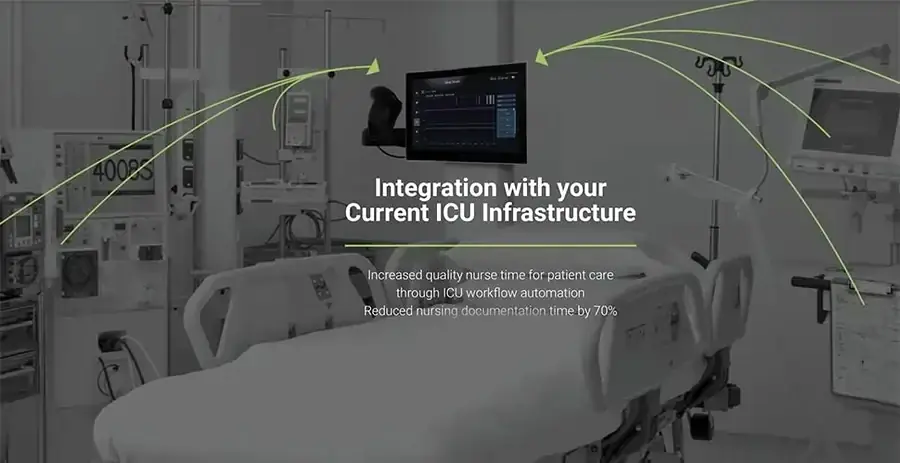
- No new monitors. The service layers onto the monitors you already own.
A caution on outcomes
Published studies show lower mortality or shorter stays in some tele-ICU programmes and little change in others. Results follow implementation: trained staff, clear escalation rules and trust between the remote and bedside teams. We cover the evidence in Does Tele-ICU Work?
How to measure whether it is working
- Time from alert to acknowledgement
- Number and timing of escalations
- ICU length of stay and outcome trends for your own patients
- Staff feedback from nurses and duty doctors
For cost drivers and the questions to put to a provider, see Smart ICU Economics. To begin, see TeleICU services in India.
Wondering how this would work in your unit?
Tell us how your ICU is monitored today. We will explain which beds could be connected first and what your team would do differently on day one.
Request a callback Call +91 92882 14479